
Blog / Templates
How we cut lesson production time in half
Speed is not about rushing—it’s about removing decisions. Templates turn creative work into assembly: the brand is already decided, the pacing pattern is already proven, and the editor becomes a finisher.
The brand kit (minimum viable)
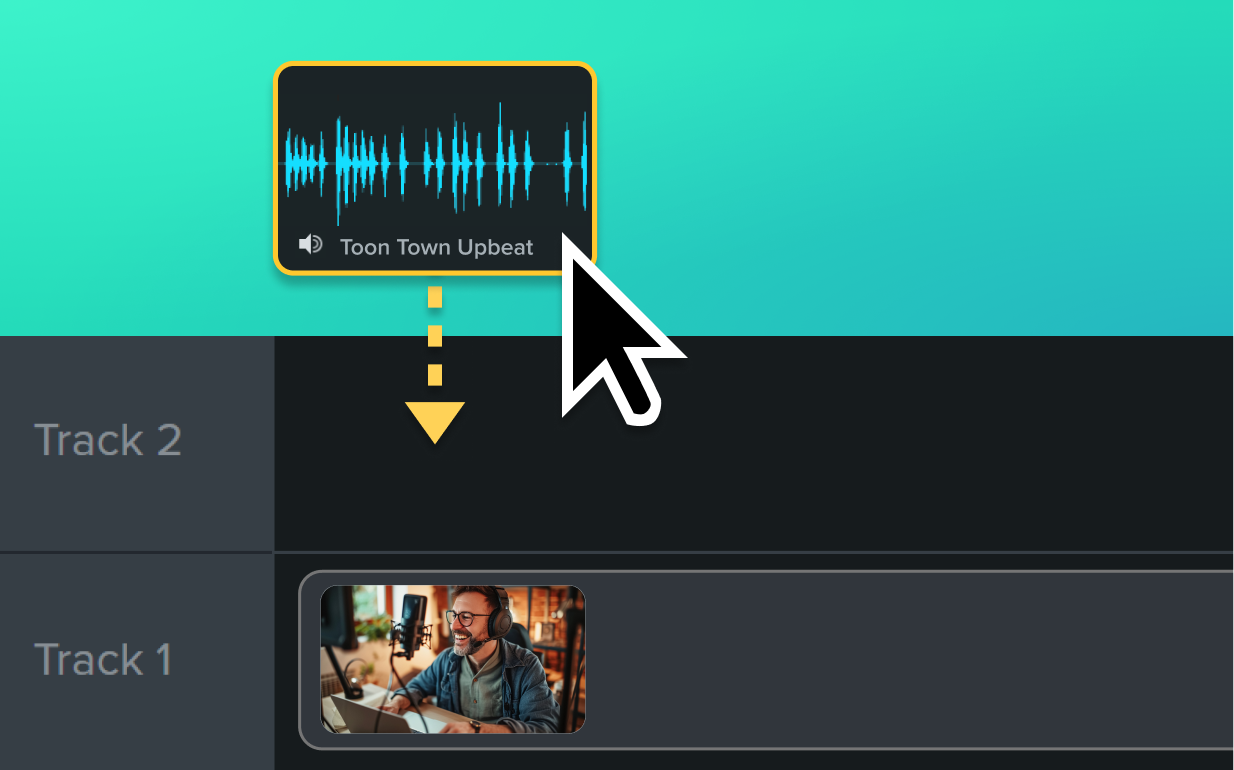
Your kit should include: a title style, a lower-third, a transition you can tolerate seeing 200 times, an end card with a single CTA, and a music bed at a known loudness. Everything else is optional flair.
A first-pass edit order that prevents thrash
- Structure: cut dead air and mistakes first—no effects yet.
- Audio: level, noise, compression; then lock it.
- Pacing: speed up slow sections; split long monologues with B-roll.
- Callouts: only where attention actually needs steering.
- Captions: last, so you don’t rewrite timing twice.
Library habits that compound
Favorite your top 10 assets. Keep “approved” music in one folder. Name clips with searchable prefixes (ui_click_, bug_, chapter_). The goal is zero creative slowdown while hunting files.
Review loops: make them shorter
Stakeholder reviews explode when each version changes everything. Batch feedback: “structure pass,” then “polish pass.” Two gates beat seven micro-passes—especially for internal training where perfection is a trap.